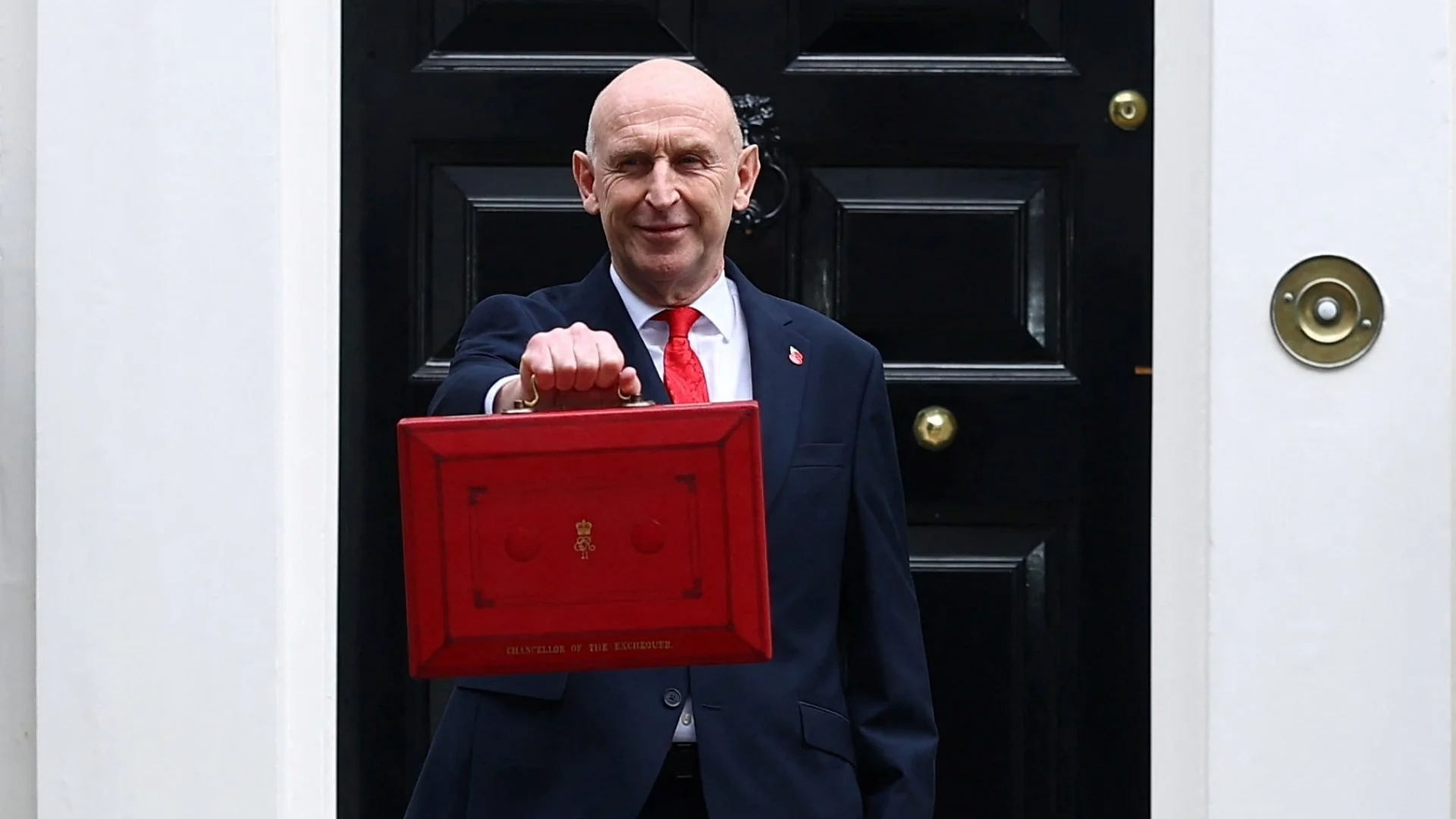
New chancellor, John Healey, with his first budget in October 2026
Autumn Budget 2026 Guide
The Chancellor, John Healey, delivered the Budget on 28 October 2026, setting out plans to provide “breathing space” for households and businesses. Rather than broad tax rises, it makes a series of smaller changes, some of which apply straight away.
The 2026 Budget leaves the headline rates of Income Tax, National Insurance and VAT unchanged. However, several targeted measures will affect investors, landlords and business owners.
The biggest changes are higher tax rates on savings and property income, a halving of the Business Asset Disposal Relief limit to £500,000 and a new 10% capital gains tax rate for qualifying founders. Most of the changes take effect from 6 April 2027.
Below, we explain what’s changing in each area, who it affects and when.
How will the Budget affect my income tax and savings?
The main change is to tax on savings and property income. From 6 April 2027, these rates rise by a further 2%, on top of the 2% increase announced at Budget 2025. That gives new rates of 24%, 44% and 49%.
Example: a higher-rate taxpayer makes £20,000 a year in rental profit. At today’s 40% rate, the tax is £8,000. At the new 44% rate, it’s £8,800, an extra £800 a year.
There’s better news elsewhere:
• Trading Allowance: rises from £1,000 to £3,000 from 6 April 2027. If you earn a little from a side business, such as selling crafts or freelance work, more of that income can now be covered by the allowance.
• Pension Tax Allowance: from 6 April 2027 to 5 April 2030, pensioners with total income up to the full State Pension will pay no tax, with a taper for those with income above.
• Cash ISA limit: remains at £20,000 a year, reversing the planned reduction. The government is also exploring a new incentive for first-time Stocks and Shares ISA investors.
• First Time Buyer ISA: replaces the Lifetime ISA (LISA) for new savers from April 2029. Existing LISA holders can continue to use their accounts under current rules. From 29 October 2026, the withdrawal charge on LISAs falls to 20% for purchases above the £450,000 cap.
What changes for pensions and employees?
From 6 April 2027, unused pension funds will be brought within the value of a person’s estate for inheritance tax, as announced in Budget 2024. If you’ve been relying on your pension as a way to pass on wealth free of inheritance tax, it’s worth reviewing your plans before then.
For pension death benefits, the two-year rule is removed for payments of tax-free cash on or after 28 October 2026, where the death occurred before the age of 75.
For employers and employees:
• National Living and Minimum Wage: to rise by 3.9% from April 2027.
• Mileage rates: the rate above 10,000 business miles rises from 25p to 35p from 6 April 2027, and the rise to 55p below 10,000 miles is now permanent.
• Employment expenses: the £2,500 threshold is removed from 6 April 2028, so more claims can go through PAYE instead of self-assessment.
Example: an employee drives 14,000 business miles a year in their own car. The first 10,000 miles at 55p comes to £5,500. The next 4,000 miles at 35p, rather than 25p, comes to £1,400 instead of £1,000. That’s £400 more each year that can be paid tax-free.
What’s changing with Capital Gains Tax?
There are two changes from 6 April 2027, and they pull in different directions.
Business Asset Disposal Relief (BADR): the lifetime limit is halved from £1m to £500,000 for disposals from 6 April 2027.
Example: a business owner expects to make a gain of £800,000 when they sell their company. If they sell before 6 April 2027, the whole gain can qualify for BADR (provided they meet the conditions and haven’t used the relief before). From 6 April 2027, only £500,000 can qualify, and the other £300,000 is taxed at the main capital gains tax rates.
CGT Founders’ Relief: a new 10% CGT rate on up to £10m of lifetime gains for qualifying founders of high-growth, innovative companies, from 6 April 2027. Further detail is still to come.
If you’re thinking about selling a business in the next couple of years, the timing of the sale is now more important. It’s worth talking it through with one of the team at Sampson Fielding well before you agree terms.
What does the Budget mean for Inheritance Tax and trusts?
Two changes took effect on Budget day, 28 October 2026:
• IHT and trust liabilities: further anti-avoidance rules restrict over-deductions for liabilities relating to trust property.
• Trust migration: an administrative easement to the CGT exit charge when a trust ceases to be UK resident.
These mainly affect trustees and families with more complex arrangements. Taken together with the inclusion of unused pension funds in estates from April 2027, it’s a good time to review your estate plans and check your will still does what you want it to.
What’s changing for property owners and landlords?
Landlords are among the most affected by this Budget. As well as the higher tax rates on property income from April 2027, explained above, there are three further changes:
• High Value Council Tax Surcharge: as announced at Budget 2025, an additional charge on UK residential properties worth £2m or more, with effect from April 2028.
• Reporting and data: the government will consult on expanded third-party reporting of property income and the UK will join an international agreement for the automatic exchange of real estate information.
• ATED: the Annual Tax on Enveloped Dwellings charges rise by 3.5% for 2027-28.
The reporting changes mean HMRC is likely to have more information about rental income than before. Keeping accurate records and declaring all your property income correctly is more important than ever.
What changes for businesses and investors?
Capital allowances: the main rate writing down allowance (WDA) falls to 12% from April 2027. The main rate first year allowance (FYA) rises from 40% to 50% from January 2027. If you’re planning to buy qualifying equipment, the timing of the purchase may affect the relief you receive.
EMI(2): the Company Share Option Plan (CSOP) is renamed EMI(2). From 6 April 2027, the individual option limit doubles to £120,000, the exercise period extends to 15 years and the interaction with the EMI scheme is removed. The EMI post-disqualification exercise window also extends from 90 to 180 days. This makes share options a more flexible way to reward and keep key staff.
VAT:
• Online marketplaces must collect VAT for UK sellers with sales over £90k per platform, from October 2027.
• The reverse charge is restricted to VAT-registered recipients from April 2027.
• Electronic invoicing and direct debit collection for VAT and PAYE becomes mandatory from April 2029.
Securities Transfer Tax: replaces Stamp Duty and Stamp Duty Reserve Tax on shares from late 2027.
If you’d like help working out how these changes affect your plans, our business consultancy team can help.
What’s changing with Making Tax Digital and payments on account?
MTD for Income Tax: taxpayers joining Making Tax Digital in April 2027 will not receive penalty points for late submission of their first four quarterly updates for 2027-28. Roll-out to several other taxpayer groups is deferred until further notice.
Payments on Account: from April 2029, taxpayers who make payments on account will pay smaller, more regular instalments throughout the year, rather than two larger payments. Further detail is still to come.
Frequently asked questions
When do the 2026 Budget changes take effect?
Most changes take effect from 6 April 2027, the start of the 2027-28 tax year. Some apply sooner: the trust measures and the pension death benefits change from 28 October 2026, the lower LISA withdrawal charge from 29 October 2026 and the higher first year allowance from January 2027. Others come later, including the High Value Council Tax Surcharge in April 2028 and the payments on account changes in April 2029.
Have the rates of Income Tax, National Insurance or VAT gone up?
No. The headline rates of Income Tax, National Insurance and VAT are unchanged. However, the tax rates on savings and property income rise to 24%, 44% and 49% from 6 April 2027.
Is the Cash ISA limit being cut?
No. The Cash ISA limit remains at £20,000 a year, reversing the planned reduction.
Will I pay tax on my State Pension?
Under the new Pension Tax Allowance, from 6 April 2027 to 5 April 2030, pensioners with total income up to the full State Pension will pay no tax. Those with income above that level will see the allowance tapered.
This article is for general information and shouldn’t be treated as advice for your specific circumstances. If you’d like to talk through how this applies to your business, get in touch with your account manager or the team.
Budget changes can take a while to settle in, and many of these won’t apply until 2027 or later, so there’s time to plan. If you’d like to talk about what they mean for you, get in touch and we’ll be happy to help.